 Borgmann Aquaponics Hydroponics


Facts about Mustartd Cress
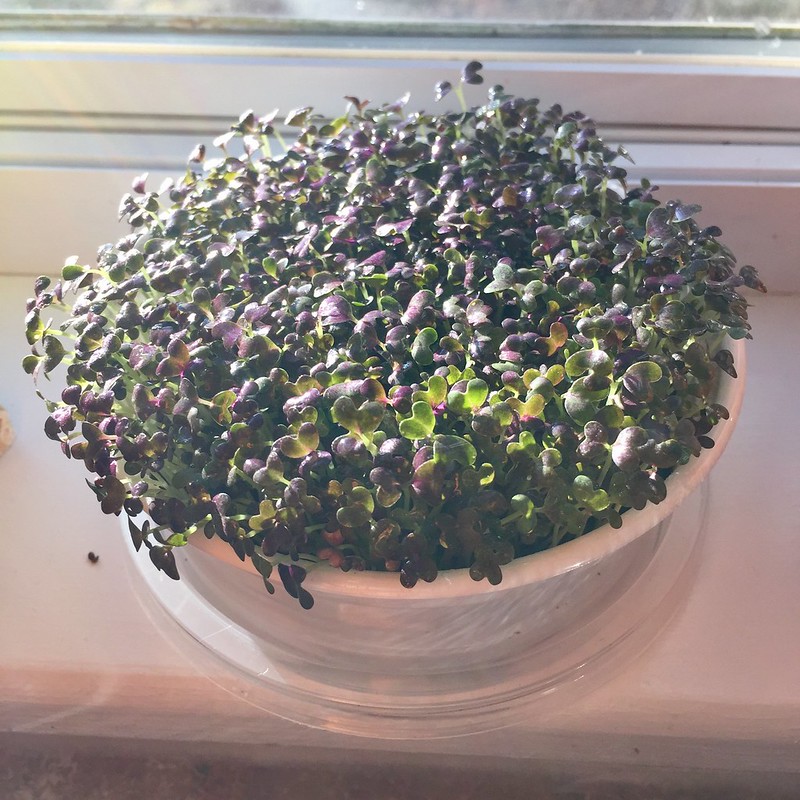
Cultivation
- Coconut soil
- Peat-free potting soil
- Hemp mats
- spray surface with water sprayer in the morning and evening
Nutritional Values per 100g (Raw Mustard Cress)
Steps of cultivation
- Prepare growth medium and generously moisten the surface
- Distribute seeds evenly and avoid partial clusters
- Moisten the seeds extensively with a water sprayer
- Cover with any cover and weigh down with a maximum of 1 kg
- Germination occurs in 2 - 3 days
- Remove cover and transfer to aquaponics system
- The ripe microgreens can be harvested after 5 - 14 days
- Harvesting should take place in the morning or evening due to cooler temperatures
A crucial factor for the successful culture of mustard cressas Microgreensis the choice of the right substrate and the irrigation technique. While conventional potting soil is often used, special, peat-free potting soils or coir mats can improve the air supply to the roots and minimize the risk of waterlogging. Since the seedlings are very tender, irrigation should ideally not be done from above to avoid pushing them over. An effective method is bottom-watering: Place the growing tray in a second, waterproof tray and fill it with water about one centimeter high. The soil and roots will then absorb the moisture independently as needed. Check the water level daily and avoid moistening the leaves to prevent fungal diseases such as mold.Good air circulation around the plants is also essential for healthy growth.
Add Comment